
India to Establish IIT Campus in Nepal
Prime Minister Modi announced plans for an offshore IIT campus, startup incubator, and innovation hub in Nepal, aiming to boost educational and technological ties.
The Cliff News | 24 November 2026
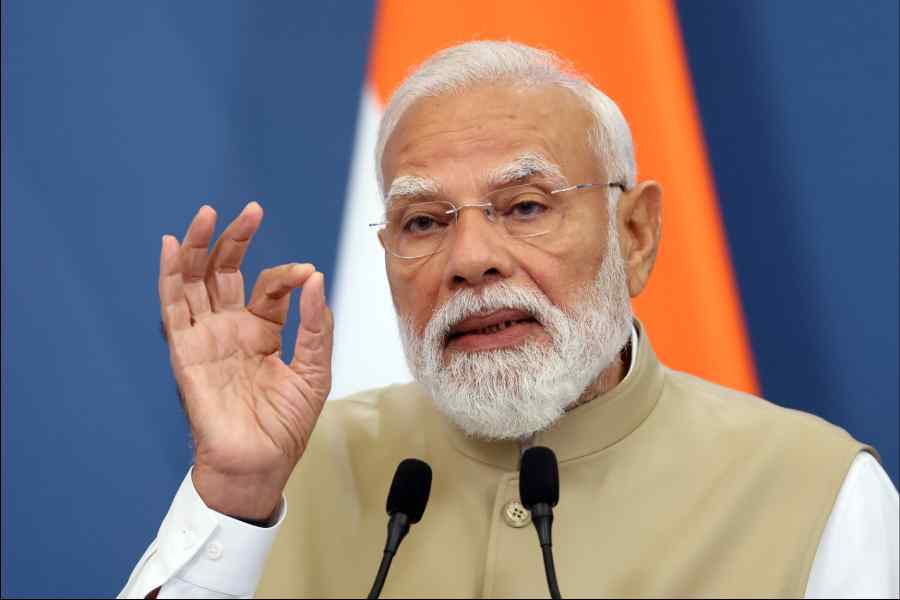
India is set to establish an offshore campus of the prestigious Indian Institute of Technology (IIT) in Nepal, a move aimed at significantly expanding educational opportunities for Nepali youth. Prime Minister Narendra Modi made this landmark announcement, alongside plans for a dedicated startup incubator and an innovation hub, during delegation-level talks with Nepalese Prime Minister Balendra Shah in New Delhi.
These initiatives are designed to foster deeper cooperation between India and Nepal in the critical areas of technology, innovation, and skill development. Prime Minister Modi expressed India's commitment to supporting the aspirations of Nepal's younger generation through enhanced higher education and entrepreneurship pathways.
Strengthening Bilateral Cooperation
During a joint press statement following discussions at Hyderabad House, Prime Minister Modi stated, "To realise this resolve, we will establish a startup incubator, an innovation hub, and an offshore campus of the Indian Institute of Technology in Nepal." This announcement is a key component of the Joint Vision Document issued by both nations, which charts a roadmap for advancing shared goals under the banners of 'Viksit Bharat' and 'Samunnat Nepal'.
The proposed IIT campus is expected to create a significant influx of academic and technological exchanges, while simultaneously generating more avenues for young talent in Nepal. Beyond the IIT, India will also broaden scholarship opportunities for Nepali students pursuing studies in law and technology, further cementing educational collaboration.
Economic and Cultural Exchange Initiatives
The bilateral agenda also includes a collaborative effort to develop an agro-industrial park in Nepal. This project aims to boost the food processing sector and enhance value addition within the country. Furthermore, Prime Minister Modi highlighted opportunities for young creators from both nations to collaborate on projects involving films, modern technology, and new media, with the objective of showcasing their shared cultural heritage on a global stage.
In a gesture of broader engagement, India will host a substantial Nepalese contingent at the upcoming WAVES summit. Cooperation in sports, particularly cricket, is also slated for enhancement through support for infrastructure development and player training programs within Nepal.
Development Assistance Package
In addition to the educational and innovation-focused announcements, Prime Minister Modi revealed a Development Cooperation Package amounting to 24,000 crore Nepali rupees. This package is earmarked to support Nepal's post-flood reconstruction efforts and contribute to its long-term development goals. The announcement follows severe floods that impacted Nepal in August.
Expressing his condolences for the lives lost, Prime Minister Modi emphasized that the financial aid would assist affected families in rebuilding their lives, fostering new opportunities, and strengthening Nepal's resilience against future natural disasters. This comprehensive package underscores India's commitment to Nepal's recovery and sustainable growth.
Context of the Visit
Prime Minister Shah's visit marks his first bilateral engagement in India since assuming office earlier this year. Prime Minister Modi warmly welcomed his counterpart, commending his leadership and the mandate he received from Nepalese voters. He also acknowledged Prime Minister Shah's recent address to the United Nations, referring to him as the world's youngest Prime Minister and recognizing his vision for Nepal's future.
The longstanding relationship between India and Nepal, characterized by close kinship and mutual trust, is expected to be further invigorated by these recent agreements. The initiatives are poised to add considerable momentum to bilateral cooperation across key sectors, including education, technology, infrastructure, and economic development, benefiting both neighbouring countries.