
India's Measles Vaccination Hits 98%, Elimination Goal Missed
India achieves a remarkable 98% measles vaccination coverage, but the 2026 elimination target remains out of reach due to persistent transmission pockets.
The Cliff News | 28 November 2026
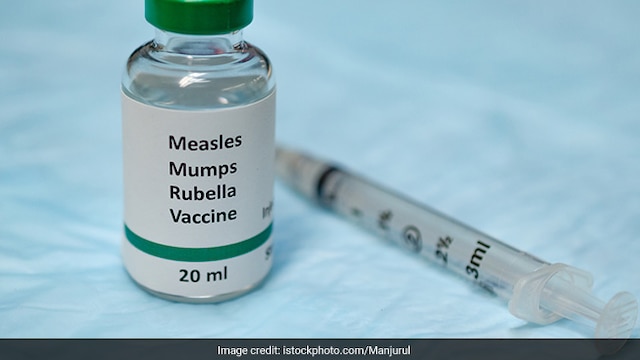
India has achieved an extraordinary milestone in its measles vaccination campaign, reaching an impressive 98% coverage for the first dose and 95% for the second dose. This significant progress, highlighted by World Health Organisation (WHO) and United Nations Children's Fund (UNICEF) data, marks a substantial leap forward in controlling the highly contagious disease. For the first time since estimates began in 2001, India has also been removed from the list of the top 10 countries with the highest number of unvaccinated children.
Despite these commendable national figures, the country is unlikely to meet the WHO's regional goal of eliminating measles and rubella by the end of 2026. In 2025 alone, India reported nearly 18,000 measles cases, underscoring that high national vaccination rates do not automatically translate to the cessation of transmission. WHO experts now project that India could interrupt indigenous measles transmission by 2029, with elimination verification potentially following in 2032.
Extraordinary Gains in Immunisation
Dr. Kate O'Brien, Director of the Department of Immunization, Vaccines and Biologicals at WHO, lauded India's advancements, stating, "India is a country that has made absolutely extraordinary gains in immunisation, including against measles. This improvement has been very hard earned and invested in over many years. And, the investments are now paying off." She emphasized that sustaining this high coverage is paramount, requiring continuous effort to identify and reach the remaining unreached children.
These recent vaccination numbers represent a significant improvement over the past decade. The first-dose coverage of 98% and second-dose coverage of 95% in 2025 far surpass global averages of 84% and 77%, respectively. This is particularly noteworthy given India's substantial birth cohort of nearly 23 million children annually.
2026 Elimination Goal Remains Elusive
The persistent challenge in achieving measles elimination lies in the virus's extreme contagiousness. Even small pockets of unvaccinated children can sustain transmission and lead to outbreaks. While measles cases in India saw a sharp decline to 17,995 in 2025 from 65,150 in 2023, the remaining infections are concentrated in specific communities and geographical areas with lower vaccination rates.
This disparity presents a significant hurdle. A high national average can mask the reality that certain sub-populations remain vulnerable, acting as reservoirs for continued spread. Therefore, reaching every child, regardless of their location or community, is critical to eradicating the disease.
Sustaining Coverage is Key
WHO experts have stressed that the next phase of India's measles vaccination programme must prioritize reaching these marginalized and hard-to-access populations. Factors contributing to children missing vaccinations include remoteness of healthcare facilities, frequent migration of families, and vaccine hesitancy or refusal.
Dr. O'Brien cautioned against complacency, warning that "this is not the time to take the foot off the gas pedal." She highlighted that any reduction in effort or investment could lead to a decline in coverage, leaving children unprotected once again. The focus must remain on ensuring equitable access to vaccination across all social groups and geographical areas, not just maintaining national averages.
The progress made by India is a testament to sustained investment and dedicated efforts in its immunization programs. However, the path to complete elimination requires a continued, targeted approach to address the specific barriers preventing some children from receiving their vital measles vaccines.