
Riyadh Energy Conference Proceeds Post Deadly Airport Attack
An international energy conference is continuing in Riyadh as planned, despite a devastating attack on the city's main airport that claimed multiple lives. The Houthis...
The Cliff News | 11 October 2026
The World Petroleum Conference (WPC) Energy conference has commenced in Riyadh, Saudi Arabia, as scheduled, a day after a deadly attack targeted King Khalid International Airport. Despite the significant loss of life and extensive damage, organisers and the Saudi energy ministry have affirmed that the event will proceed as planned, signalling a determination to maintain normalcy and continue critical energy discussions.
The conference, which is set to run until October 15th, saw its opening marked by official statements confirming its commencement. The WPC Energy posted on X, formerly Twitter, stating "the stage is set. Riyadh is ready." Similarly, the Saudi energy ministry announced, "today, the events of the World Petroleum Conference kick off in Riyadh," underscoring their commitment to hosting the international gathering.
Deadly Airport Attack and Houthi Threat
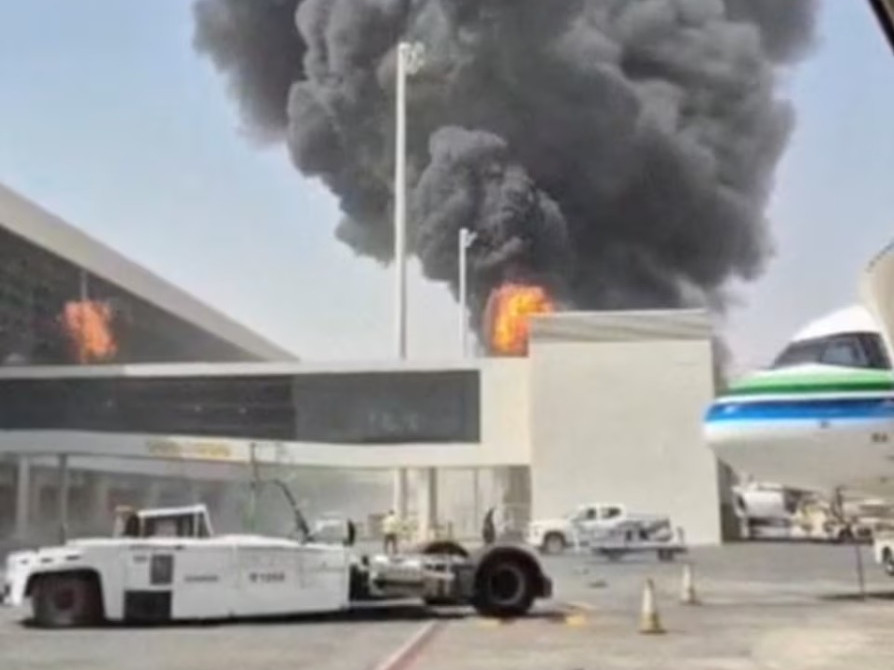
Saturday's attack on King Khalid International Airport resulted in at least 12 fatalities and 309 injuries, according to the Saudi civil aviation authority. Among the deceased were four Saudi nationals, two from Bangladesh, and one each from the United States, Jordan, Palestine, Syria, Sudan, and Egypt. Several of the injured are reported to be in critical condition.
In the wake of the attack, Yemen's Iran-backed Houthis issued a stern warning to all airline companies, advising them against using Saudi airports and airspace. The group's military spokesman, Yahya Saree, declared these areas as "potential targets and sites for operations by our forces." He did, however, explicitly exempt Mecca and Medina from this warning. The Houthis urged all parties to heed their warnings, holding Saudi Arabia "responsible" for any failed interception attempts.
International Reactions and Potential Intervention
The attack has drawn strong condemnation from international bodies. US Secretary of State Marco Rubio confirmed the death of an American citizen in the strikes and voiced his strong disapproval of the violence against Saudi Arabia. Following this, US President Donald Trump indicated that the United States might join Saudi Arabia in carrying out strikes against the Houthis.
When questioned about potential US involvement, President Trump stated, "We may. We're going to look at it. We just found out about the recent attack, so we'll make a decision. We move very quickly." This suggests a significant shift in US policy towards the ongoing conflict and potential escalation.
Impact and Background of the Conflict
The attack on Riyadh's airport is being described as the deadliest single attack on a Gulf Arab country since the war between Israel, the United States, and Iran began in February. The civil war in Yemen, which has been ongoing for over a decade between the Houthis and the Saudi-backed internationally recognized government, has seen a recent escalation in Houthi attacks against Saudi Arabia. These recent strikes follow separate Houthi attacks on the same airport on Thursday that resulted in three deaths and damaged an aircraft.
The Saudi-led military coalition has vowed a response to the attack, denouncing it as a "war crime" and attributing blame to Yemen's Houthis. The scale of casualties and damage, with smoke billowing above the airport terminal and widespread destruction visible inside, highlights the severity of the incident.
Energy Conference Continuity Amidst Crisis
The decision to proceed with the WPC Energy conference underscores Saudi Arabia's resolve to continue its global engagement and business operations despite the security challenges. Hosting an international event of this magnitude so soon after a major attack sends a message of resilience to the global community and the energy sector. The conference aims to address key issues within the energy industry amidst a backdrop of regional instability and shifting geopolitical alliances.
Previously, the Houthis had claimed responsibility for separate strikes on the same airport earlier in the week, indicating a pattern of increased aggression. The current situation highlights the complex geopolitical landscape of the region, with implications for global energy markets and international security efforts.