Science
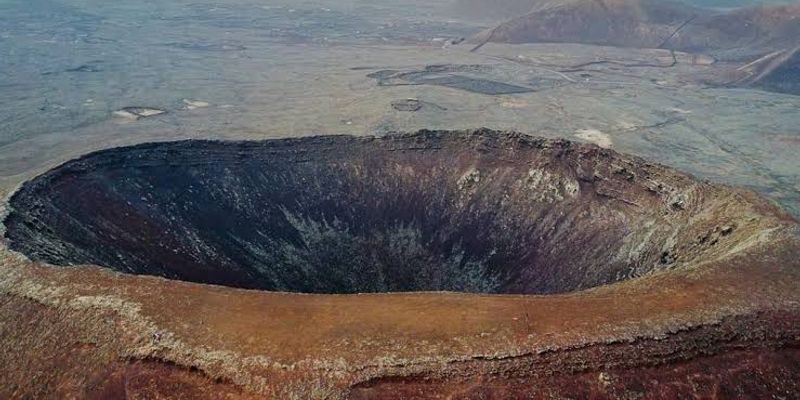
Earth's Oldest Crater Dated to 3 Billion Years Ago in Australia's Pilbara Region
Scientists have confirmed Australia's North Pole Dome hosts Earth's oldest known impact crater, dating back over 3 billion years.
Jun 25
4 min read
Scientists have confirmed Australia's North Pole Dome hosts Earth's oldest known impact crater, dating back over 3 billion years.

Scientists have found the mineral garnet and a new rock type in a Martian meteorite, offering unprecedented insights into the Red Planet's ancient history.
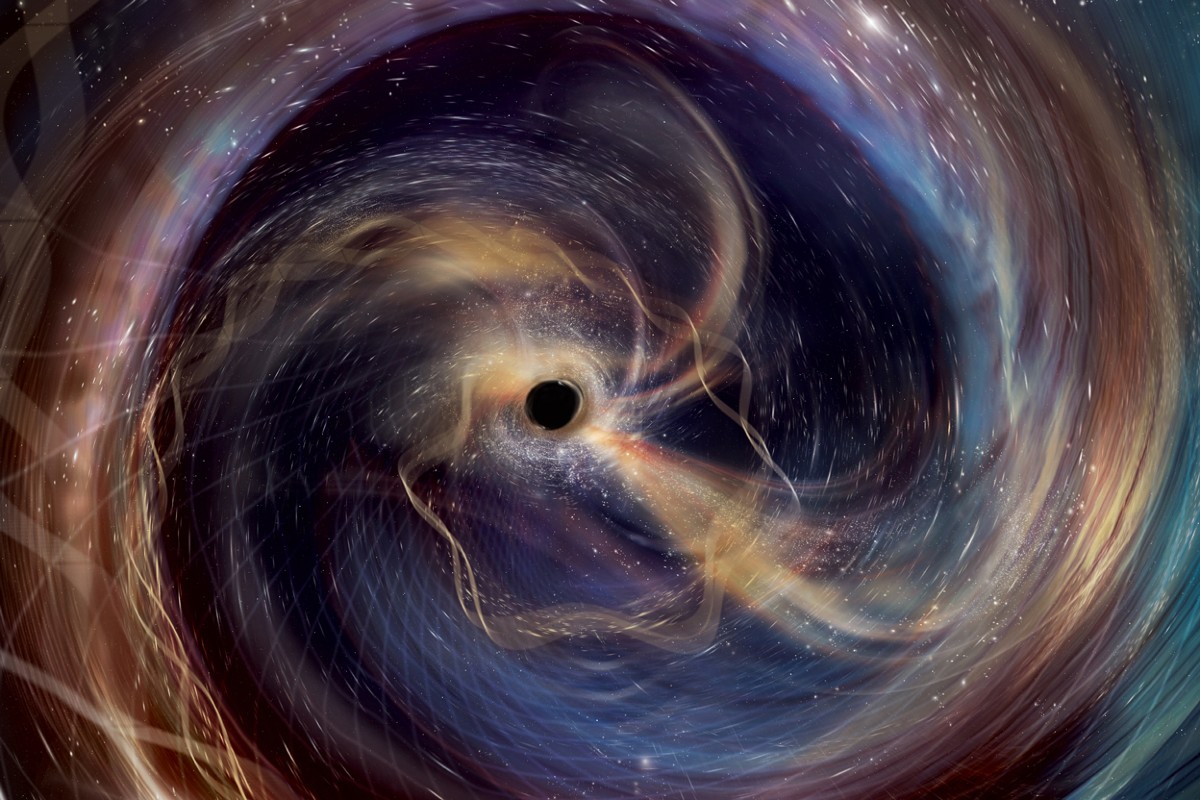
Loudest gravitational wave GW250114 validates Einstein and Hawking's black hole theories, advancing astrophysics.
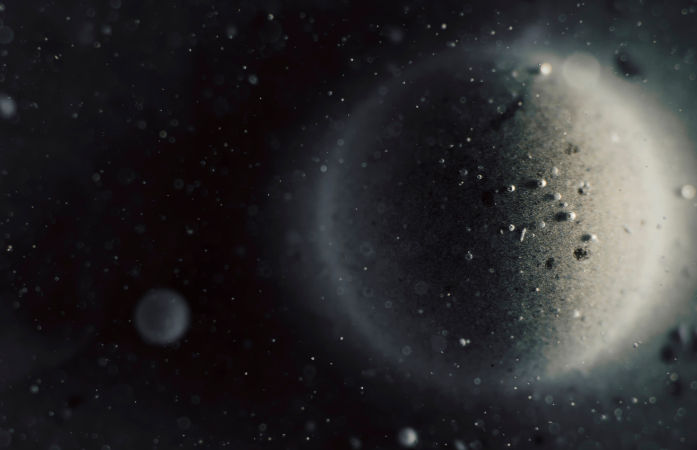
An icy object, 2002 XV93, located past Pluto, shows signs of a thin atmosphere, challenging current astronomical understanding.
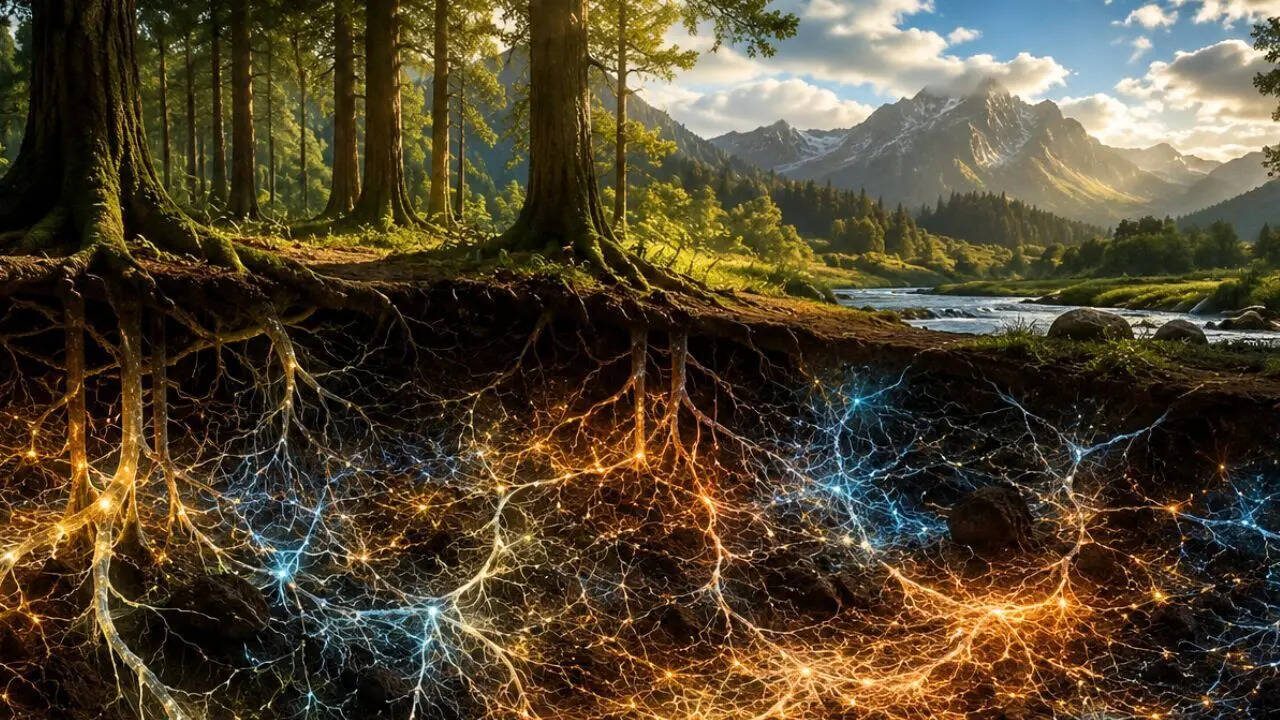
Researchers mapped a colossal 110 quadrillion km fungal network under Earth, crucial for plants, carbon storage, and climate regulation.

Five ISS astronauts were ordered to prepare for emergency evacuation during repairs to a cracked Russian module's worsening air leak.

Researchers reveal that short-range nucleon pairing depends heavily on specific quantum orbitals rather than nuclear mass.

NASA has officially terminated its highly successful MAVEN Mars mission after failing to re-establish contact with the decade-old spacecraft.

UMBC has named renowned astrophysicist Dr. Marc Seigar as the new dean of the College of Natural and Mathematical Sciences.

Discover Earth's darkest regions offering unparalleled views of stars and planets.

Two Indian researchers elected Fellows of the prestigious Royal Society.
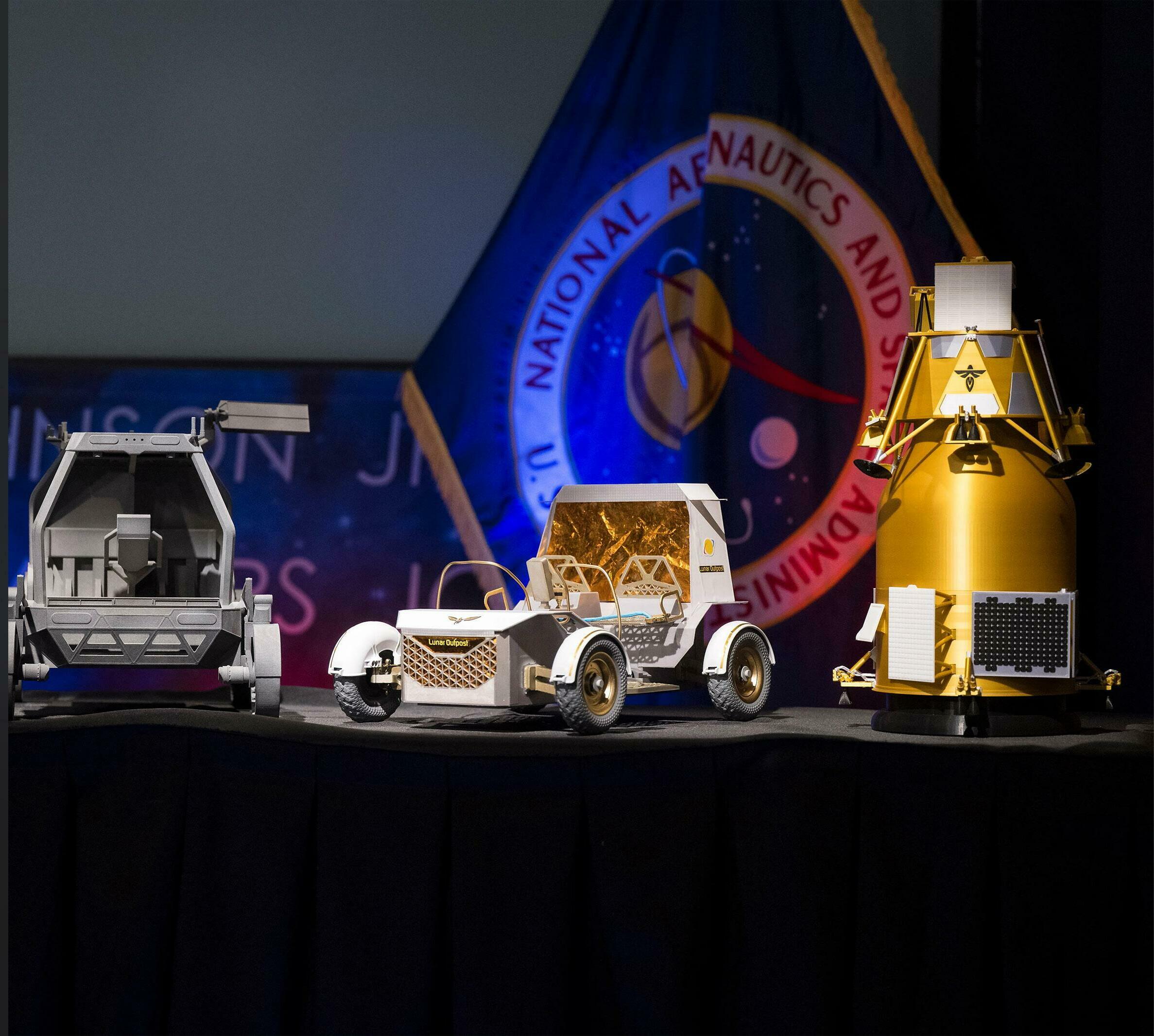
NASA plans to send rovers to the Moon this fall, building toward a lunar base.